
Plastazote®

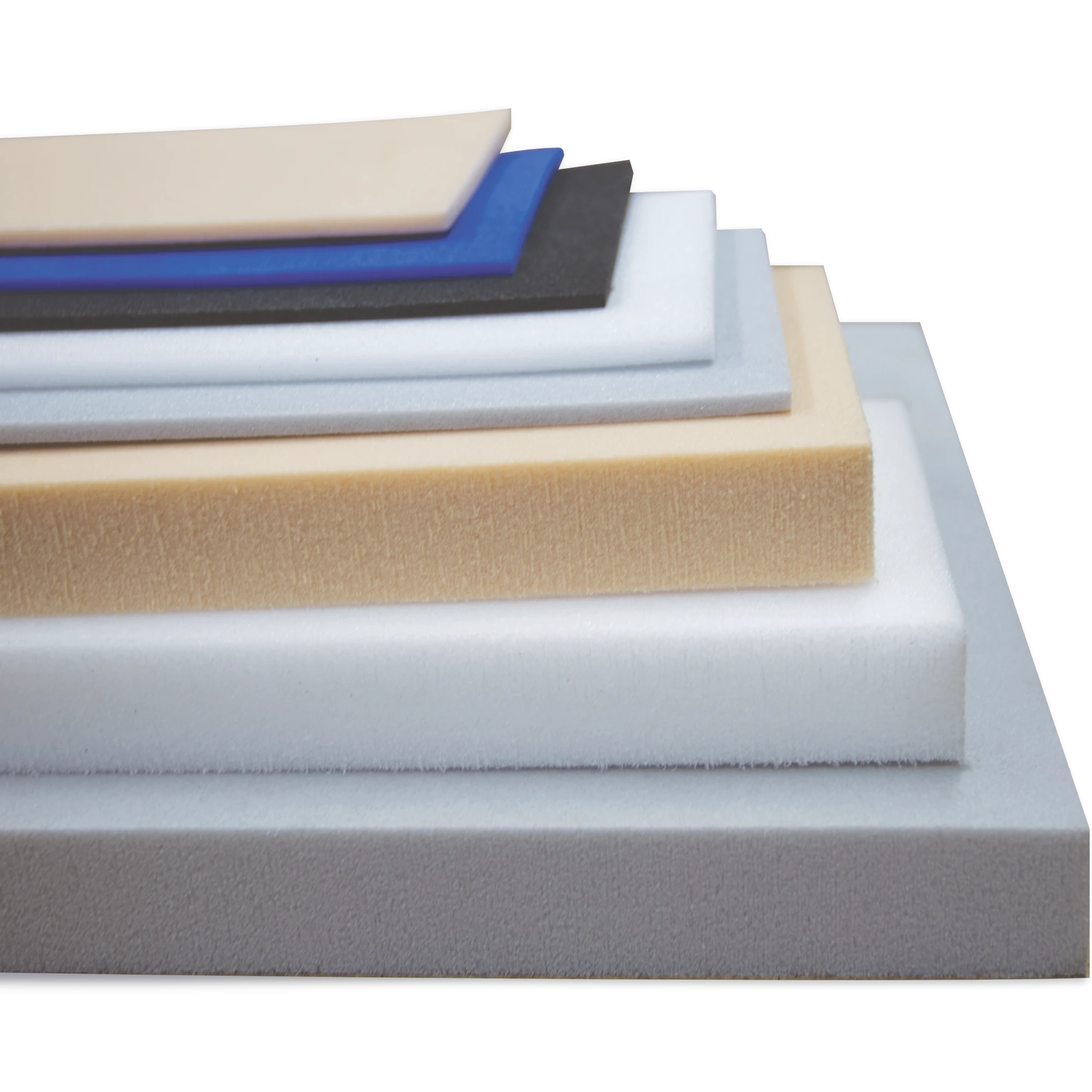 Plastazote® Closed-Cell Polyethylene Foam
Lightweight, Durable Polyethylene Foam for Medical, Orthotic, and Industrial Applications
Plastazote® closed-cell polyethylene (PE) foam is a lightweight, versatile foam widely used in foot orthotics, prosthetics, medical padding, protective equipment, and product packaging. Known for its cushioning, low moisture absorption, and thermoforming capabilities, Plastazote foam is an excellent material for applications requiring comfort, protection, and custom shaping.
Its cross-linked polyethylene structure provides a balance of softness, resilience, and durability. Available in various densities, thicknesses, and colors, Plastazote can be selected to meet the specific cushioning, support, and performance requirements of different applications.
Key Benefits of Plastazote Polyethylene Foam
- Lightweight and easy to fabricate: Simple to cut, shape, and handle for custom applications.
- Closed-cell construction: Resists water absorption and supports easy cleaning and maintenance.
- Heat moldable: Can be thermoformed to create custom shapes and contours when processed according to the grade's recommended temperature range.
- Cushioning and pressure distribution: Helps provide comfort and protection in orthotic devices, padding, and support products.
- Durable and resilient: Offers useful cushioning performance and resistance to moisture and many common chemicals.
- Versatile material options: Available in different densities, thicknesses, and colors to suit a wide range of design requirements.
- Suitable for selected healthcare applications: Certain grades are used in orthotics, prosthetic liners, splints, seating systems, and medical padding.
Common Applications for Plastazote Foam
Plastazote polyethylene foam is used across multiple industries because it combines low weight, cushioning, and fabrication flexibility.
- Medical and healthcare: Orthotic insoles, diabetic foot orthotics, prosthetic padding, splints, collars, and patient seating.
- Footwear and podiatry: Insoles, footbeds, cushioning layers, and pressure-relieving components.
- Product protection and packaging: Protective inserts, cushioning, and custom-fit packaging.
- Automotive and aerospace: Lightweight thermoformed components and protective padding.
- Electronics: Protective packaging and component cushioning.
- Sports and recreation: Impact-absorbing padding and protective equipment.
- Industrial and construction: Selected seals, gaskets, insulation, and protective components.
- Marine applications: Lightweight cushioning and protective elements where moisture resistance is beneficial.
Understanding Polyethylene Foam Density
Choosing the correct polyethylene foam density is essential for achieving the desired balance of comfort, support, and durability. Different grades can have significantly different compression characteristics, so density should be considered alongside firmness, thickness, and intended use.
| Foam characteristic | Typical performance | Common applications |
|---|---|---|
| Lower density | Softer feel and easier compression | Lightweight padding and cushioning |
| Higher density | Generally firmer support and greater resistance to compression | Structural padding and support components |
| Closed-cell structure | Low moisture absorption | Medical padding, protective packaging, and moisture-exposed applications |
| Thermoformable construction | Can be heat-shaped when the grade permits | Custom orthotics and formed components |
Note: Density alone does not determine foam performance. The specific grade, thickness, compression behavior, and fabrication method also influence the final result.


