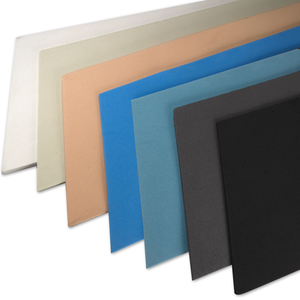
EVA Foam
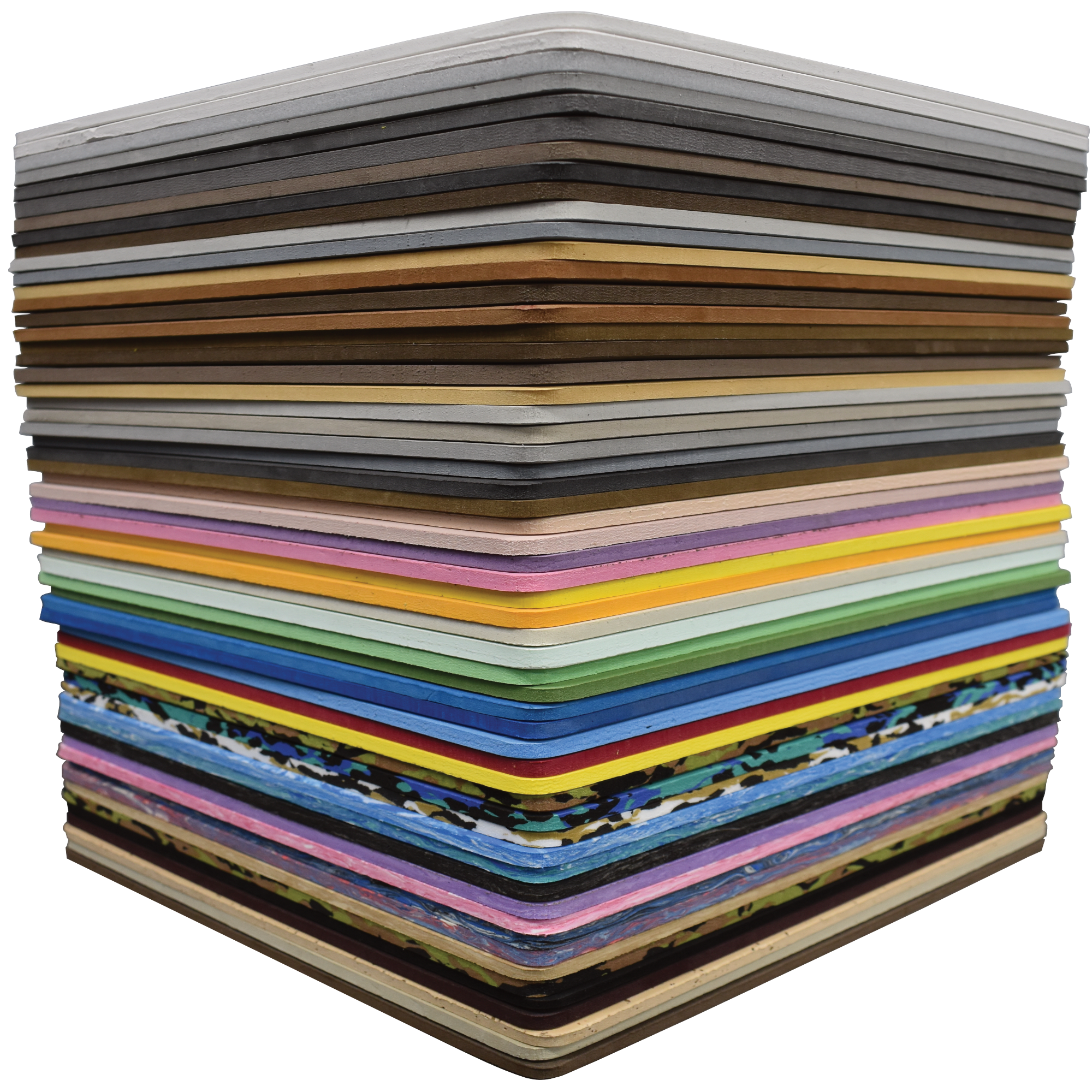 Ethylene Vinyl Acetate (EVA) Foam: Properties, Benefits, and Applications
Ethylene Vinyl Acetate (EVA) foam is a lightweight, flexible, closed-cell foam made from a copolymer of ethylene and vinyl acetate. Known for its cushioning, shock absorption, durability, and versatility, EVA foam is widely used in footwear, custom orthotics, sports equipment, protective padding, marine decking, and industrial applications.
Its closed-cell structure helps resist water absorption while providing a comfortable, resilient surface. Available in a range of densities, thicknesses, and firmness levels, EVA foam can be tailored to meet specific requirements for cushioning, support, impact protection, and structural stability.
EVA foam is also easy to cut, machine, grind, sand, bond, and heat-form, making it suitable for both custom fabrication and large-scale manufacturing.
EVA Foam Fabrication and Customization
EVA foam is a versatile thermoplastic material that can be processed into a wide range of shapes, profiles, and finished components.
- Cutting and CNC machining: Foam sheets can be cut to size or machined into precise shapes and profiles.
- Grinding and sanding: Surfaces and contours can be refined for custom orthotics, padding, and formed components.
- Thermoforming and heat molding: Heat allows suitable EVA grades to be shaped into custom contours. The material can retain its formed shape after cooling when processed correctly.
- Layering and bonding: EVA can be laminated or joined to compatible materials, including fabrics, plastics, and other substrates, using appropriate adhesives or fastening methods.
- Custom thickness and firmness: Material selection and fabrication methods can be adjusted to meet application-specific requirements.
These processing capabilities make EVA foam suitable for custom manufacturing, from individually fitted orthotic devices to precision-cut industrial components.